Who it is for
New readers, journal keepers, and curious adults who want card meanings, spread instructions, and practice notes they can actually use at a table.
Independent tarot study resource
A practical guide to understanding tarot cards, choosing spreads, and developing your own reading practice.
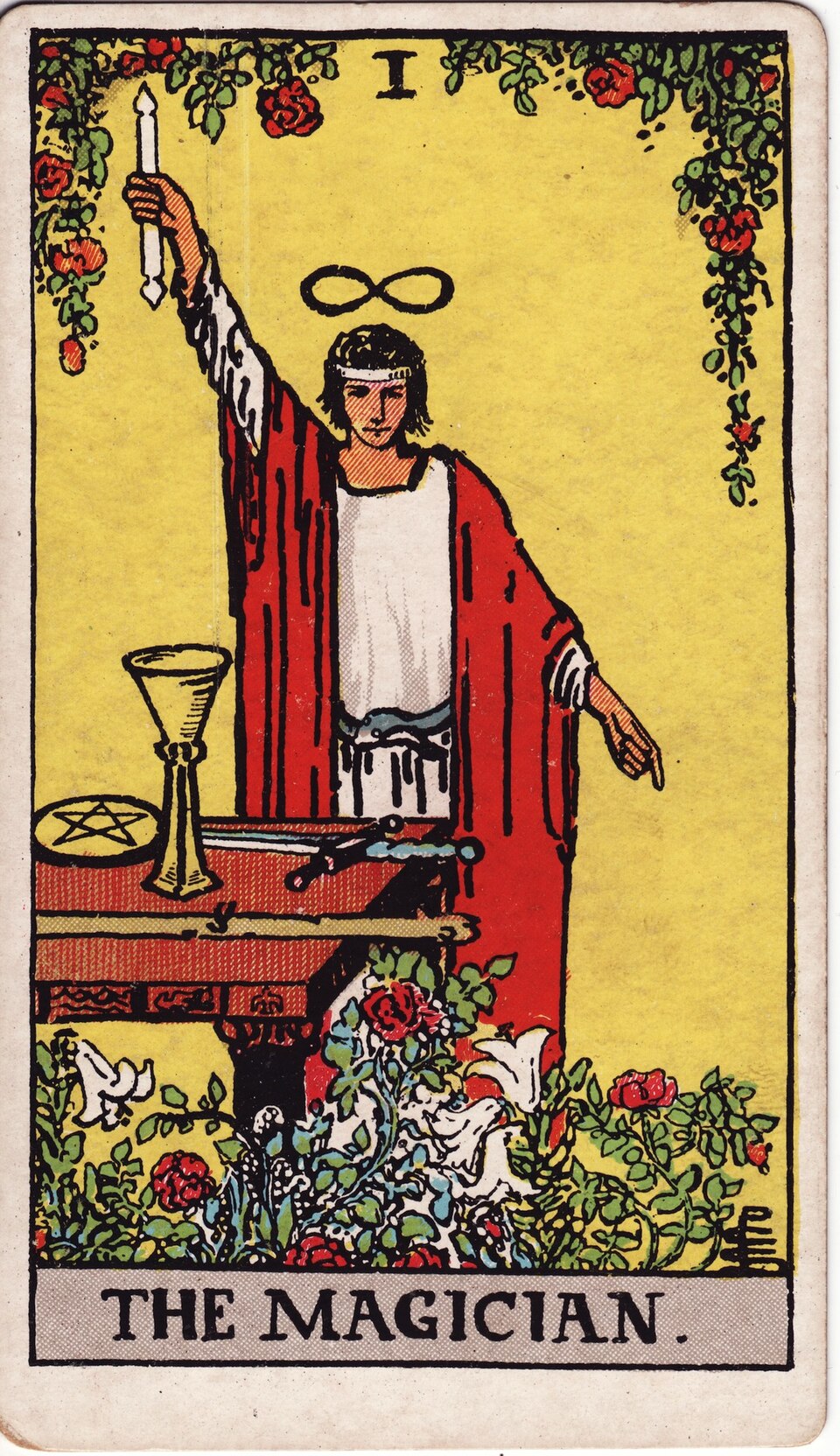
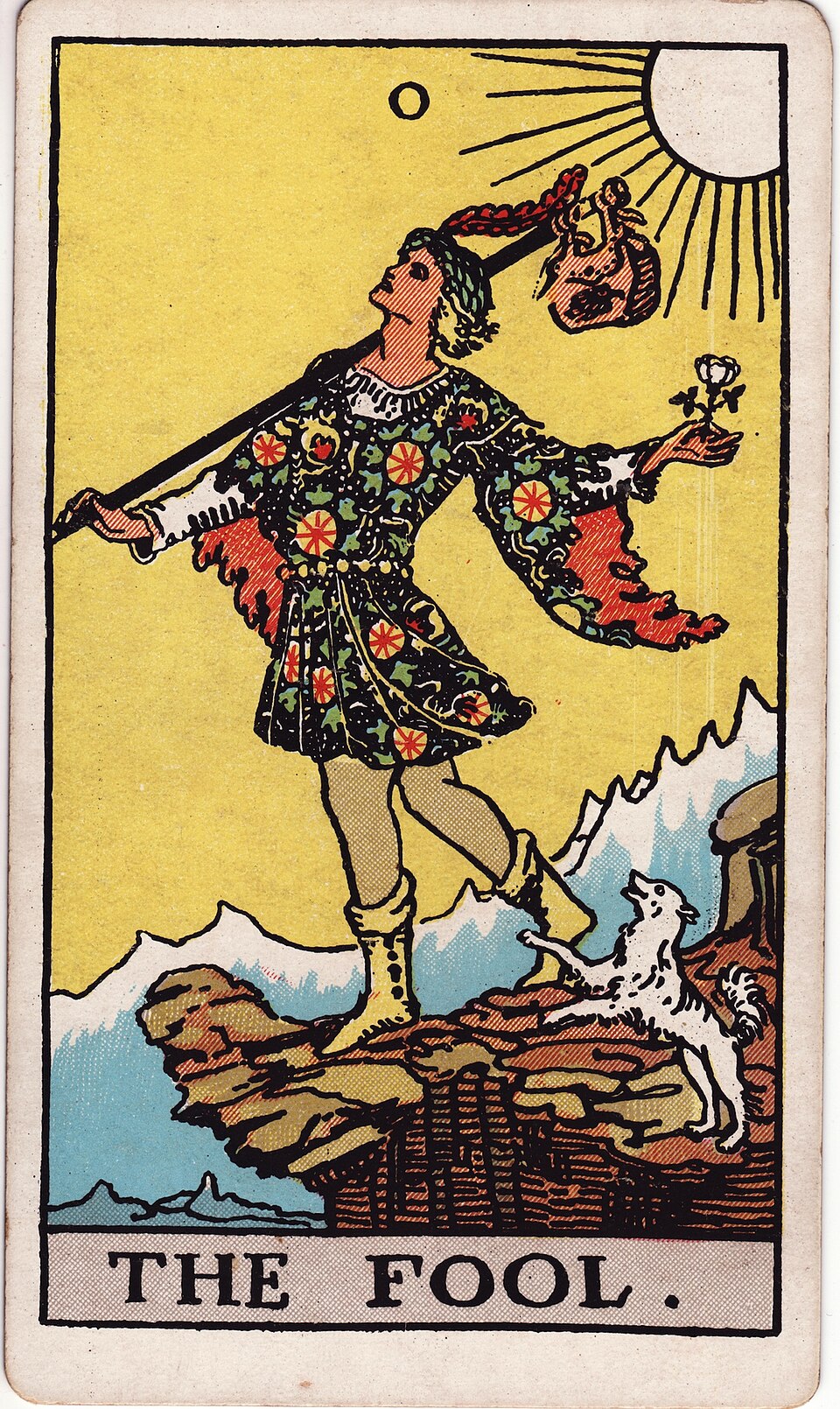

Pamela Colman Smith, Rider–Waite–Smith tarot (1909), public domain, via Wikimedia Commons.

Tarot Spreads Guide is an independent English-language resource for people who want to learn tarot as a visual language. It is written for beginners and returning students who want methods, not theatrical guarantees.
New readers, journal keepers, and curious adults who want card meanings, spread instructions, and practice notes they can actually use at a table.
Guides to asking questions, the 78 cards, classic and practical spreads, a journal template, and legal pages that say plainly what tarot is not.
Education, culture, entertainment, and self-reflection. Readings here are not medical, legal, or financial advice, and they do not promise outcomes.
Start small. A named layout is only useful if you give it time and a question that can bear an answer.
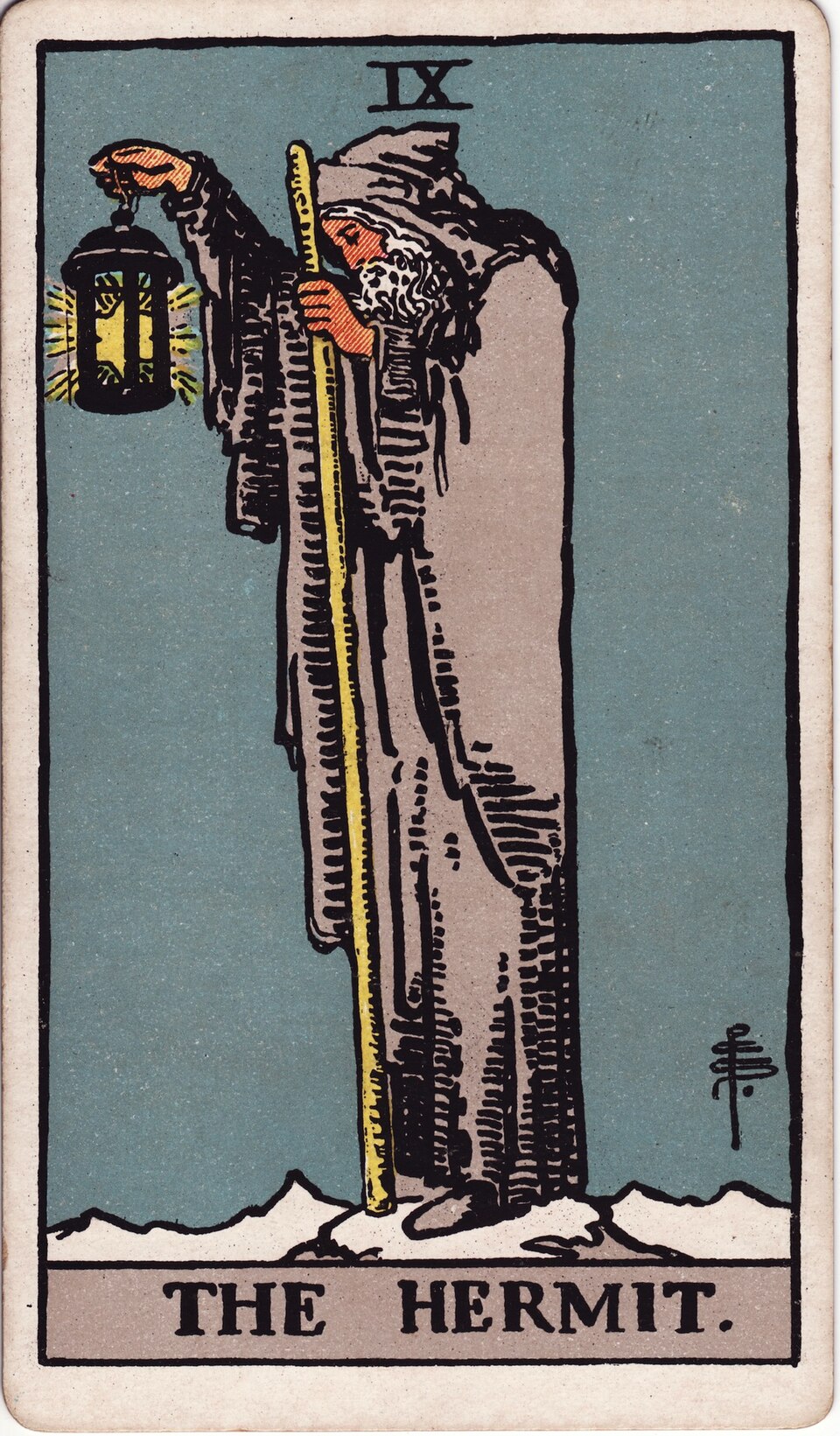
Beginner Spreads
A single card used as a focus for the day, a journal prompt, or a first look at a question.
Best for: Daily practice, beginners, clarifying one theme
Learn more
Beginner Spreads
The most common teaching spread: past / present / future, or situation / action / outcome-as-trajectory.
Best for: Everyday questions, learning to read sequences, most beginner practice
Learn more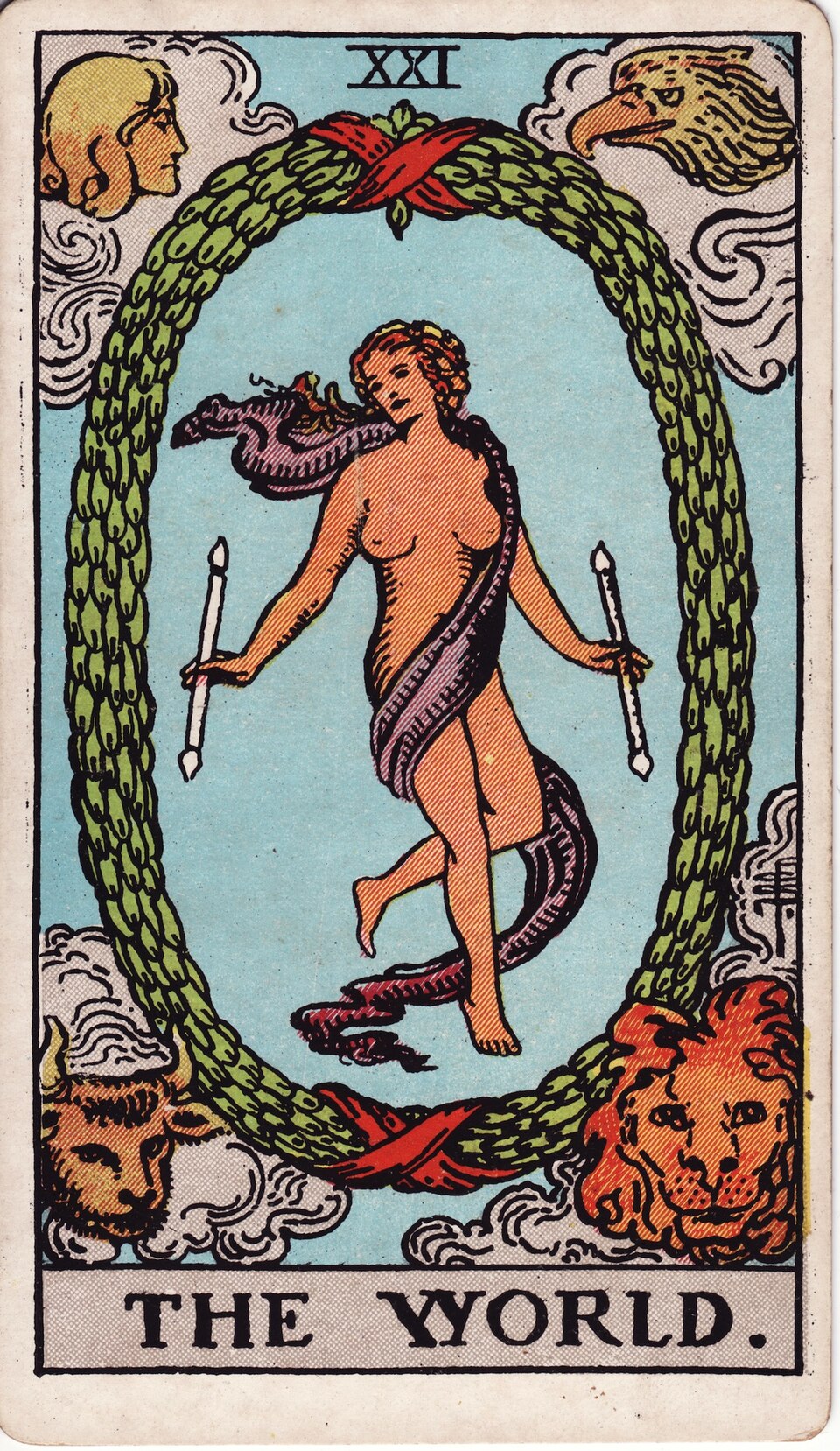
Advanced
A ten-card classic for complex situations, taught here as a structured story rather than a fortune engine.
Best for: Layered problems, chapter reviews, experienced practice
Learn more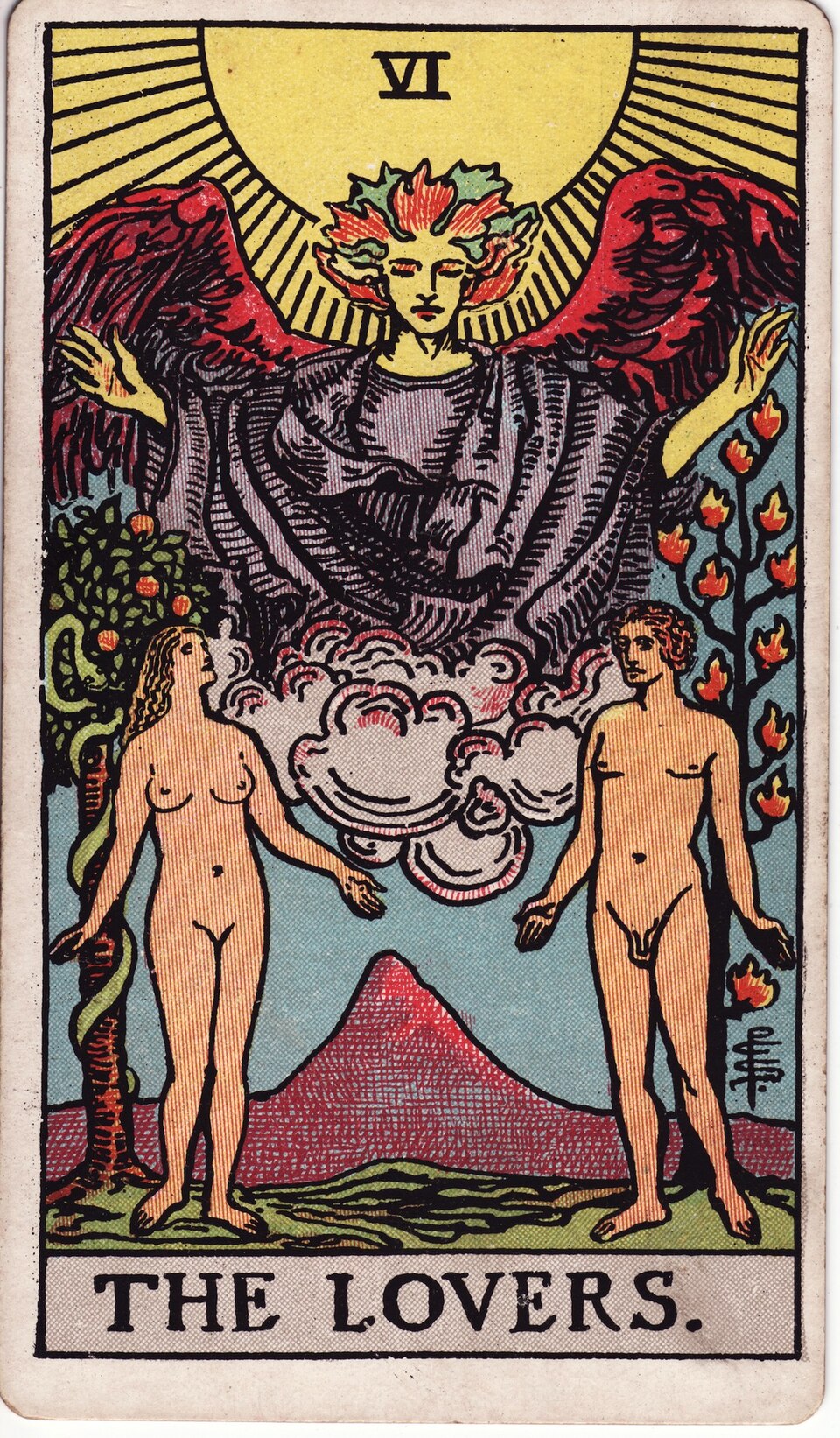
Love & Relationships
A six-card map of two people (or two parts of a partnership) plus the bond between them.
Best for: Ongoing partnerships, collaboration, seeing both roles
Learn more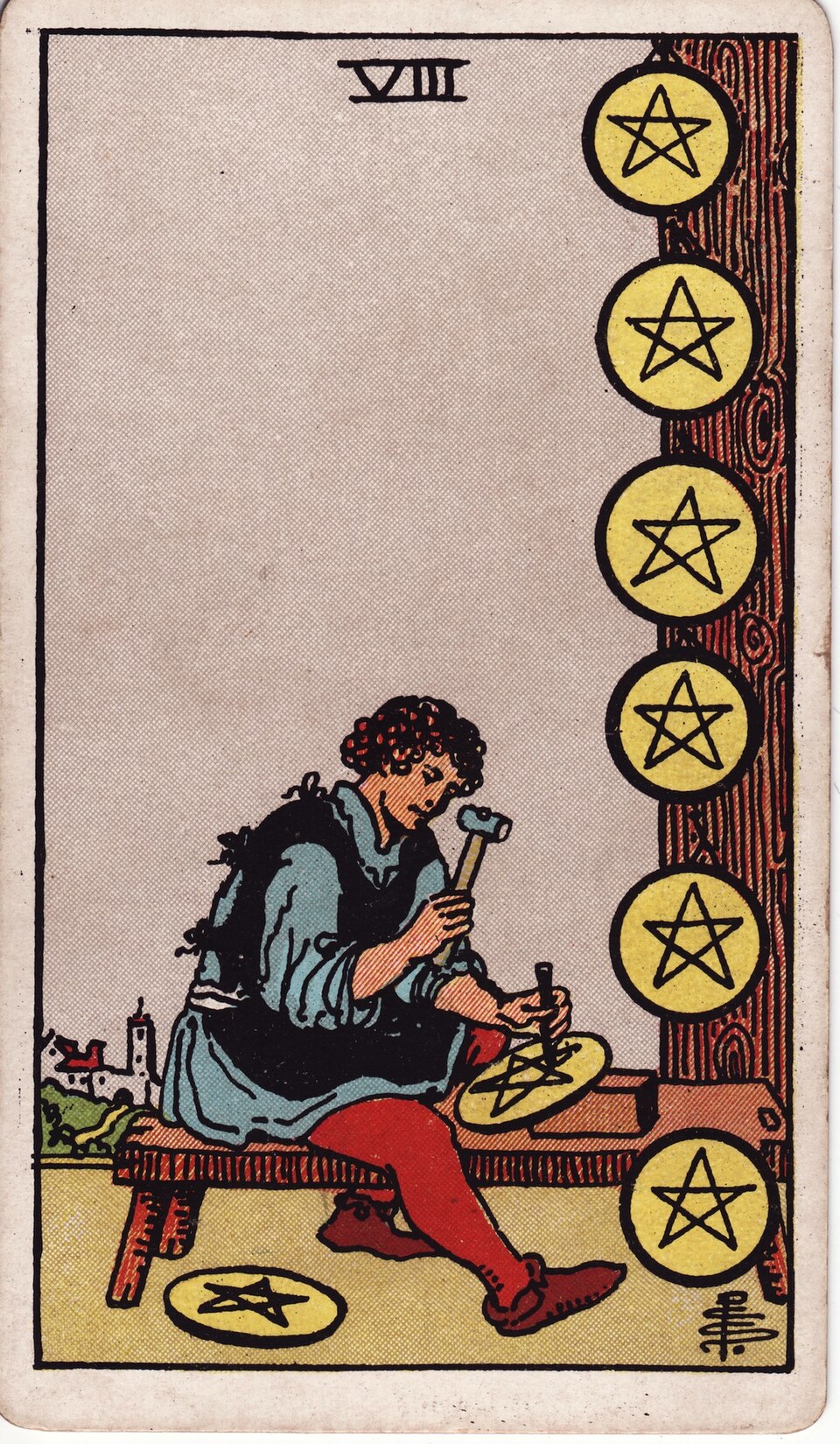
Career
A five-card spread for choosing between paths or clarifying how to approach work.
Best for: Job choices, project focus, professional identity questions
Learn more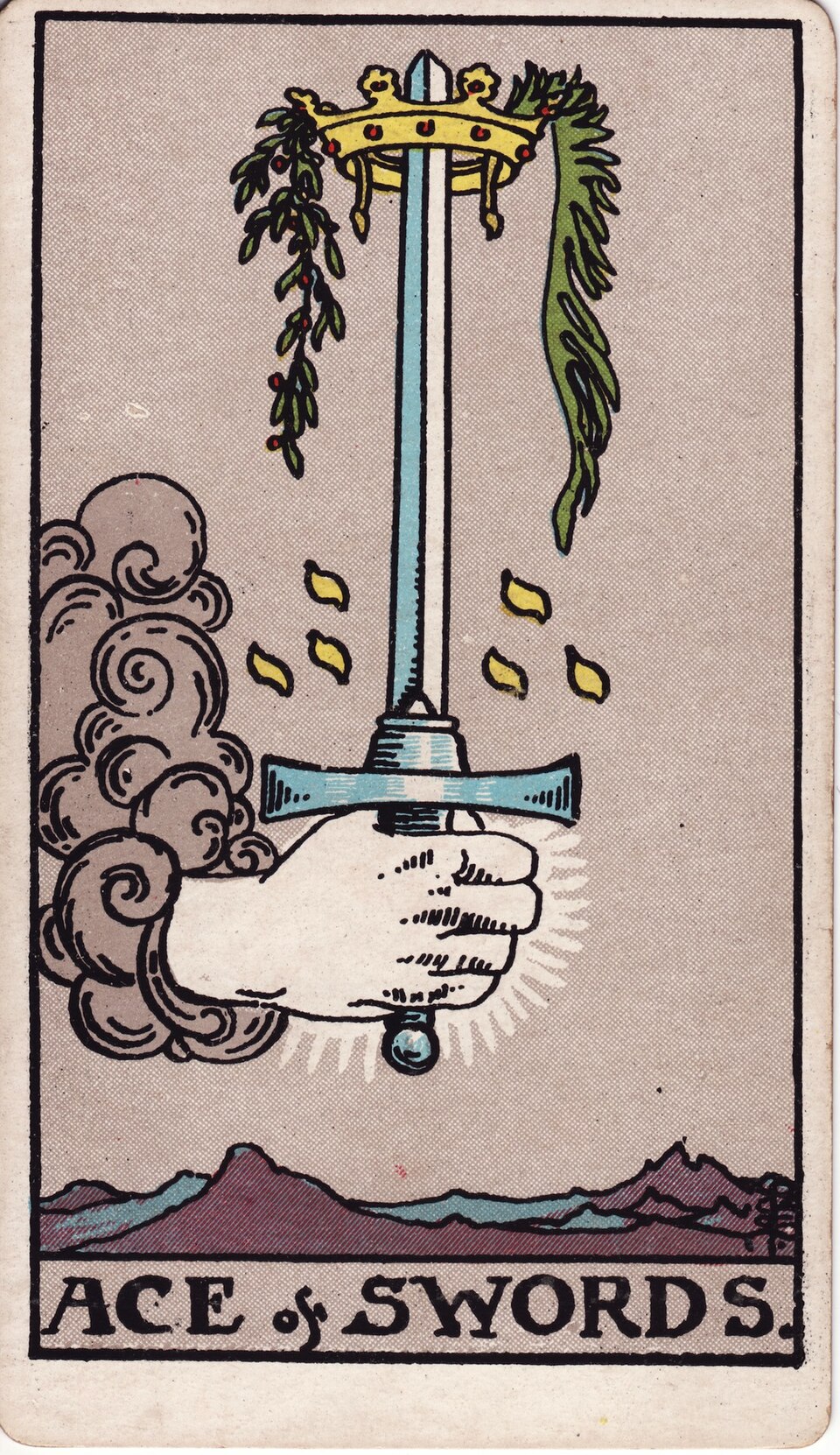
Beginner Spreads
A cautious three-card method for binary questions, with an emphasis on when not to force a yes or no.
Best for: Simple decisions you already almost know, not for other people's secrets
Learn moreBrowse the Major Arcana as a sequence, then the four suits of the Minor Arcana. Each card has its own page.
Five essays that work as a curriculum. Read them in order if you are starting from zero.
History-in-brief, deck structure, and a first method.
Suits and numbers as a language, not as a fortune engine.
Match layout size to the actual question.
Rewrite surveillance questions into study questions.
Read positions, suits, and a hinge—not a pile of slogans.
Longer articles with examples, related spreads, and a last-updated date.
A practical beginner method for shuffling, asking questions, and interpreting a first tarot reading without fortune-telling claims.
Match spread size and positions to your question so readings stay specific instead of theatrical.
Rewrite fortune-telling questions into study questions you can act on, with examples and pitfalls.
How reversed tarot cards can be used in study practice, including reasons to skip reversals entirely.
No. On this site tarot is treated as a study of images used for education, culture, entertainment, and self-reflection. It is not a forecast service.
No. You need a deck, a notebook, and practice describing what you see. Intuition in this context means paying attention, not claiming supernatural authority.
A standard tarot deck has 78 cards: 22 Major Arcana and 56 Minor Arcana.
A spread is a layout with named positions. Each position gives a card a job, such as situation, advice, or a theme for the week.
No. For health, legal, and financial decisions, consult qualified professionals. See the disclaimer.
Start with one card, then a three-card spread. Larger layouts are optional once those feel natural.
Only if you decide they do before you shuffle. Many learners read upright only for months.
No. Tarot Spreads Guide is an independent content project. It does not claim certification or institutional backing.
More questions on the FAQ page.