Why a journal is part of the site
Without writing, it is easy to treat tarot as a slot machine for reassurance. A journal forces a question, a few facts, and a next step. That is the difference between collecting moods and practicing a craft.
Copy this template
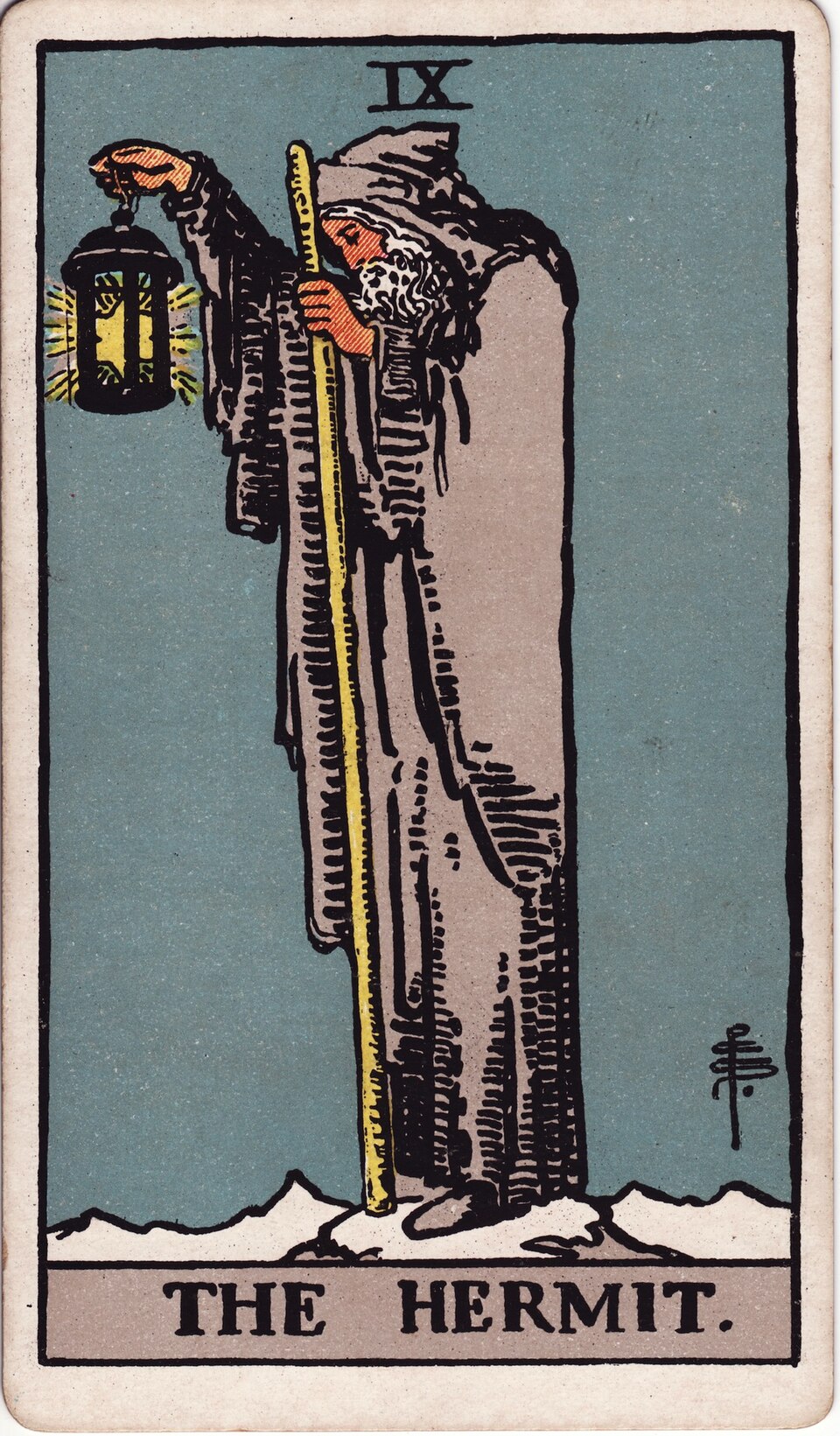
- Date
- Question (one sentence you could ask a thoughtful friend)
- Facts I already know (no cards yet)
- Spread name and positions
- Cards drawn
- What I see in the pictures
- Interpretation in ordinary language
- One action or one question to live with
- Review date (one week later)
Prompts when you are stuck
- What am I hoping the cards will excuse?
- Which suit dominated this month, and does that match my calendar?
- What would I tell a friend who drew this?
Suggested layouts: one card, three card, monthly reflection.
A journal is not therapy, and tarot is not a clinical tool. If writing brings up more than you can hold, pause and use qualified help.
Sources and further reading
The journal template uses the public-domain Rider–Waite–Smith imagery by Pamela Colman Smith (1909, via Wikimedia Commons). Historical reading practice, including one-card draws, is described in A. E. Waite’s 1911 Pictorial Key to the Tarot.