Introduction
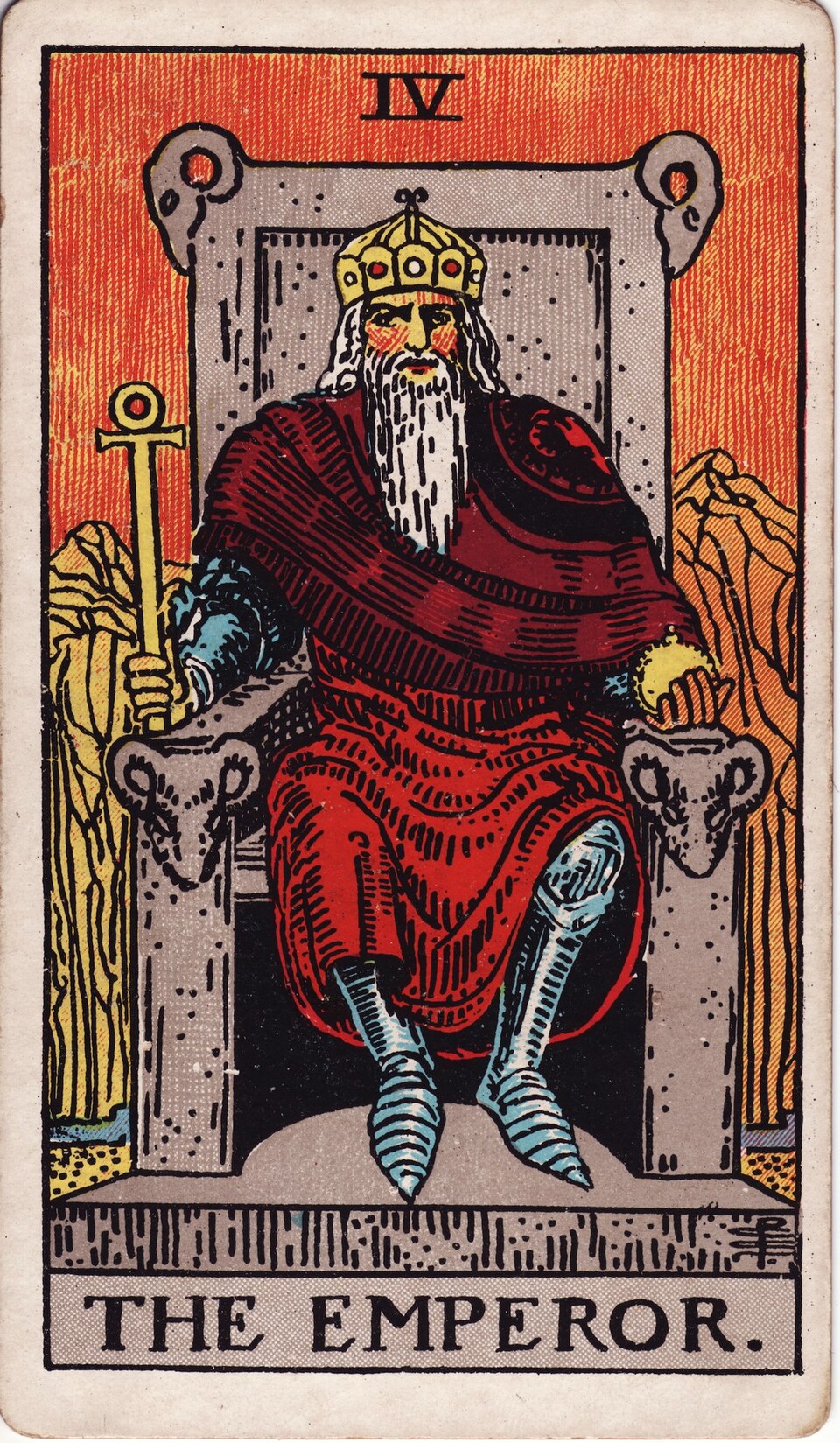
The Emperor is the structural counterpart to The Empress. The image is often architectural: throne, armor, mountains, and a posture of governance. Learners use it to talk about rules, leadership, and the difference between stability and rigidity.
Upright meaning
Upright, The Emperor can describe planning, boundaries, fathering (literal or symbolic), management, and systems that protect people. It favors clear roles and documented agreements. It asks who is responsible for what, and whether authority is earned.
Reversed meaning
Reversed, the card can show control issues, brittle rules, or a vacuum where leadership should be. It may describe someone hiding behind procedure, or a person refusing any structure at all. The educational move is to locate power: who decides, who is affected, what can be appealed.
Love
In love, The Emperor can point to reliability and protection, or to a relationship organized like an institution. Watch for age gaps in power, financial control, or affection that arrives only as management. Partnership is not a chain of command.
Career
This is a frequent workplace card: managers, policies, deadlines, and professional identity. It can support asking for a title, a contract, or a schedule. It can also describe a culture that values compliance over craft. Use it to inspect incentives.
General interpretation
The Emperor is useful in career and self-governance spreads. Pair it with questions about calendars and budgets rather than destiny. A reading that ends with one written rule you will actually keep is more honest than a speech about power.
Symbolism
Rams, armor, and stone suggest durability. An ankh or other emblem, when present, can point to life inside structure. Empty landscape behind a throne may show isolation at the top. Always read the temperature of your deck's figure: tired, proud, watchful, kind.
Questions for reflection
- Which rule is protecting the work, and which rule is only protecting someone's ego?
- Where do I need a clearer yes/no boundary?
- What would responsible authority look like in this situation?
Related cards and spreads
FAQ
No. It can describe a function: structure, leadership, or policy. Gender in historical decks is not a limit on who the card can discuss.
Only if taking control is ethical and feasible. Sometimes the card is asking you to respect an existing structure, or to stop pretending you have none.
These notes are cultural study material. They do not predict events, diagnose health, or replace professional advice.